Effective bathroom decor ideas blend style, function, and durable materials to create a space that feels calm and practical. From color choices to lighting, every detail should support daily routines, resale value, and a sense of well-being. The following guide draws on design best practices and practical tips to help homeowners and renters craft a bathroom that reflects personality while staying resilient to humidity, mold risk, and wear.
Core principles of bathroom decor ideas
Since bathrooms are high-humidity environments, choose surfaces and fixtures that tolerate moisture, are easy to clean, and timeless. Start by defining a theme, then layer color, texture, and lighting to add depth without clutter.
Color strategy
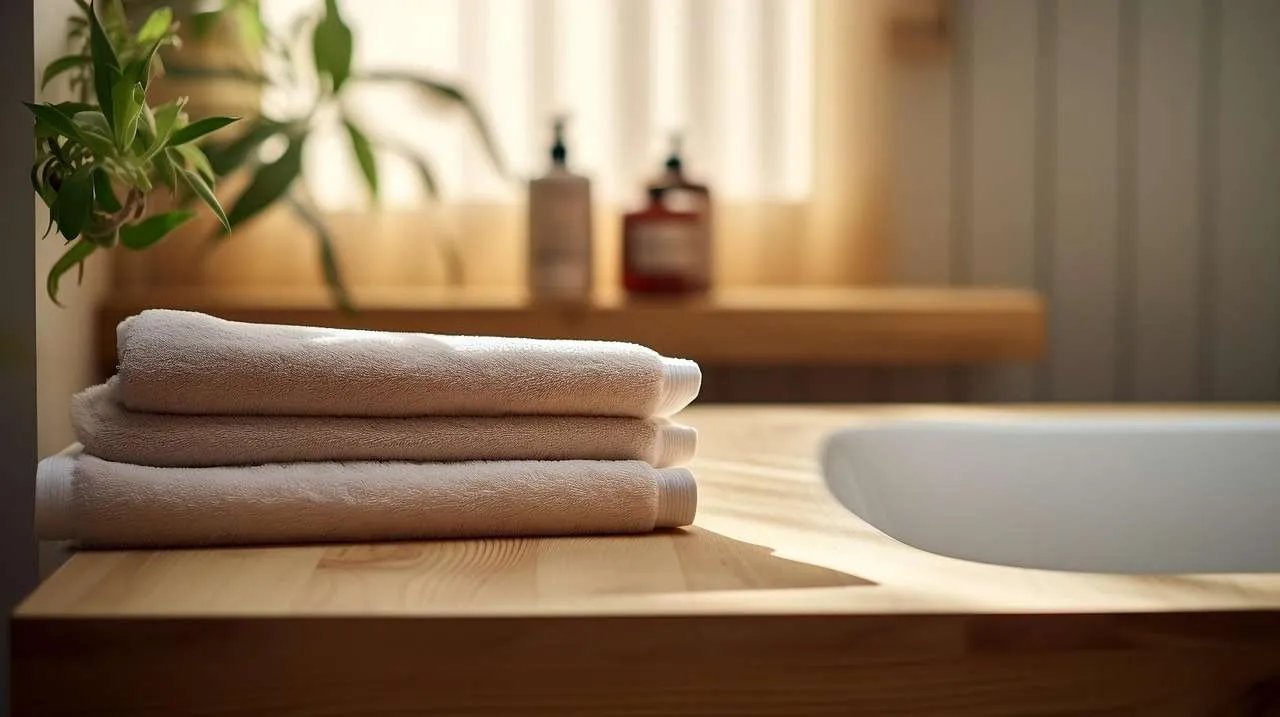
Soft neutrals create a spa-like backdrop, while accent colors pop in towels, art, and cabinetry. For smaller spaces, use light tones on the walls and reflective surfaces to maximize brightness.
Textures and finishes
Mix matte metals with glossier ceramics and natural stone to add depth. Stone-look porcelain, subway tile, and wood-look vinyl can deliver warmth without high maintenance.
Storage, organization, and accessories
Hidden storage reduces visual clutter. Consider vertical shelving, recessed niches, and vanity drawers with dividers. Accessorize with plants, diffusers, and baskets that coordinate with your color scheme.
Lighting that elevates mood and function
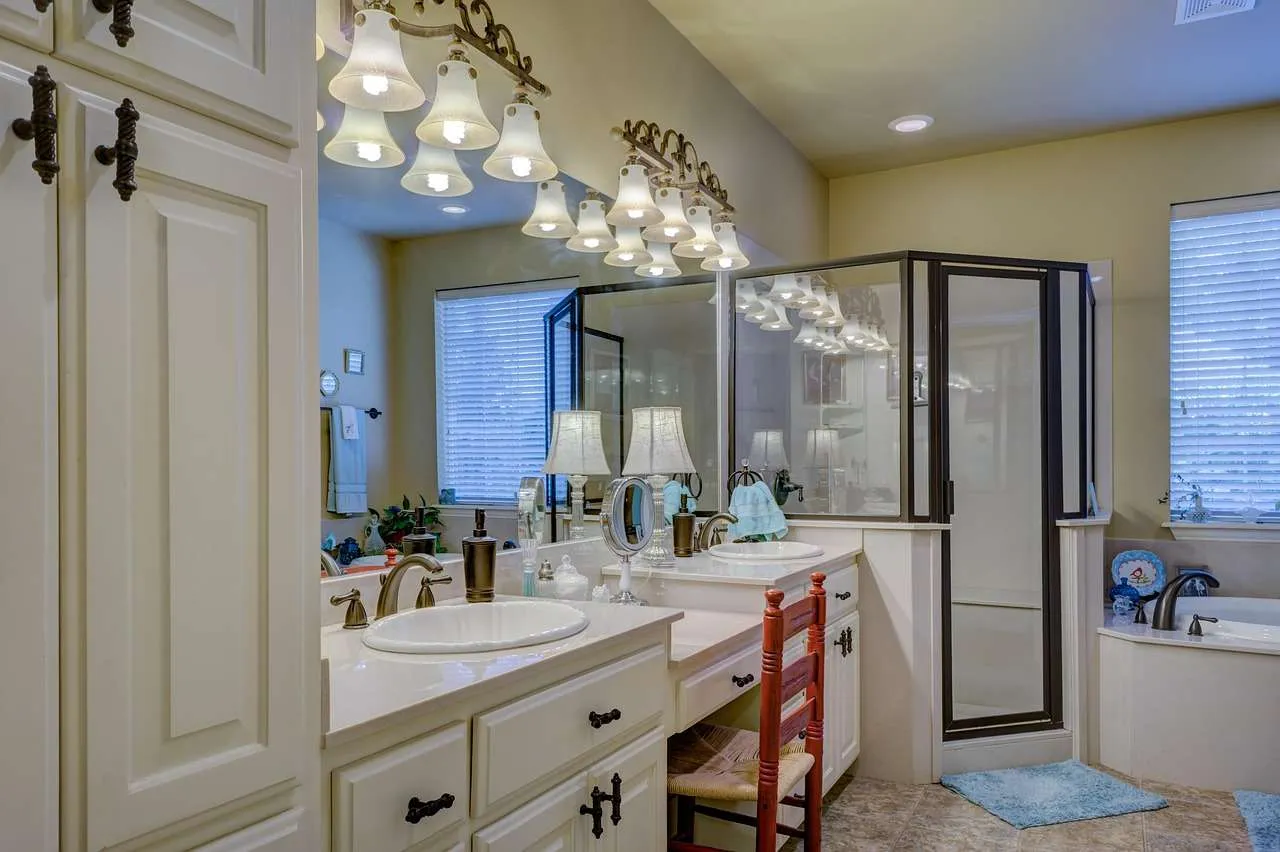
Layer lighting with ambient ceiling light, task lighting at mirrors, and accent lights for ambiance. Choose fixtures with damp-rated specifications and daylight-balanced bulbs for a true color representation.
Small bathroom design tips
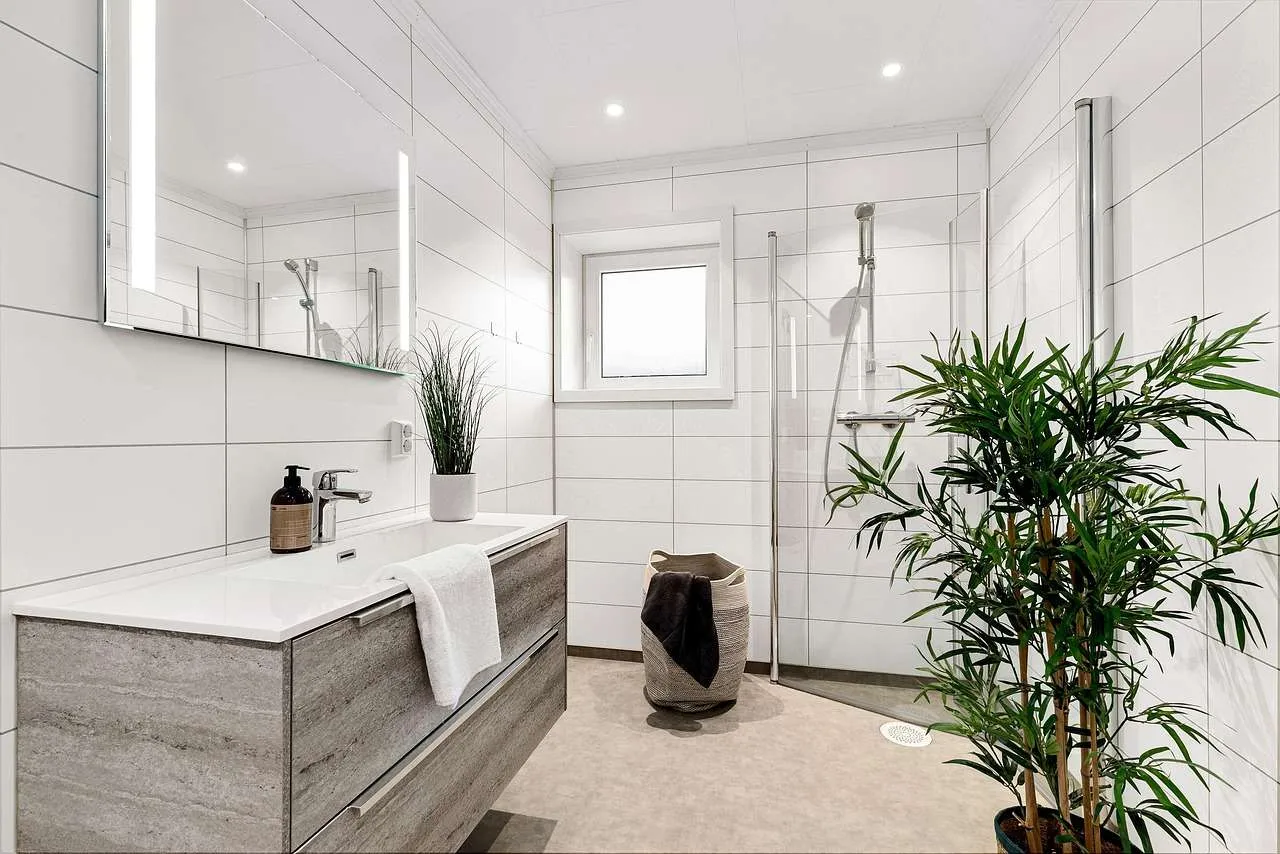
Maximize space with a pedestal or floating vanity, large-format tiles to reduce grout lines, and mirrors that reflect light. Transparent or frosted glass shower enclosures visually expand the room.
Materials and fixtures to consider
Durable materials like porcelain, ceramic, and solid-surface countertops resist moisture. Chrome, nickel, or brass finishes offer different vibes; consider matte vs gloss depending on maintenance preferences.
DIY vs professional help
Simple updates such as accessories and paint can be DIY-friendly, while plumbing or electrical changes should be handled by licensed professionals to ensure safety and compliance.
Budget planning and shopping checklist
Set a realistic budget by prioritizing essential updates (fixtures, ventilation) and allocating a portion for finishing touches. Create a shopping list and compare warranties, dimensions, and return policies before purchasing.
Expert guidance and practical steps
Professional designers recommend starting with a mood board and a pared-down palette to avoid visual overload. Consider a 60/30/10 rule: 60 percent large surfaces, 30 percent storage and fixtures, 10 percent accessories. Verify local codes for ventilation, waterproofing, and electrical safety, and choose water-resistant finishes with long warranties to improve longevity.
For credibility, rely on reputable brands and opt for materials with proven performance in moisture-prone spaces. If in doubt, consult a licensed designer or contractor to validate layout changes, plumbing rerouting, or electrical work.
Maintenance and longevity
Choose sealed surfaces, properly rated fixtures, and a robust ventilation strategy to prevent mold and mildew. Regular cleaning routines and quick-touch maintenance for grout, caulk, and seals help keep the space looking fresh for years.
Style comparison
| Style | Key elements | Pros | Cons | Budget notes |
|---|---|---|---|---|
| Modern | Clean lines, minimal clutter, porcelain/stone finishes | Timeless, easy to clean, versatile | Can feel cold if not warmed with textures | Mid to high expectancy depending on fixtures |
| Classic | Neutral palette, traditional fixtures, subway tile | Enduring appeal, resale friendly | May require more maintenance on wood details | Moderate investment for cabinetry and tile |
| Scandinavian | Light woods, white walls, simple fittings | Bright, airy feel, affordable updates | Requires careful moisture control to prevent mold | Cost-effective with strategic materials |
| Rustic | Natural stone, warm wood, iron accents | Cozy, character-rich | Can date quickly if overdone | Accessible mid-range materials; high-impact looks |
Conclusion
With thoughtful planning, bathroom decor ideas can transform daily routines into moments of calm and efficiency. By selecting durable materials, balancing color and texture, and layering lighting, you create a space that feels personal and enduring. Working with credible sources, reputable products, and, when needed, licensed professionals will support an upgrade that stands the test of time.
Summary: This guide covers core strategies for bathroom decor ideas, including color, texture, storage, lighting, and budget planning, plus a style comparison to help you choose a direction that fits your space and lifestyle.