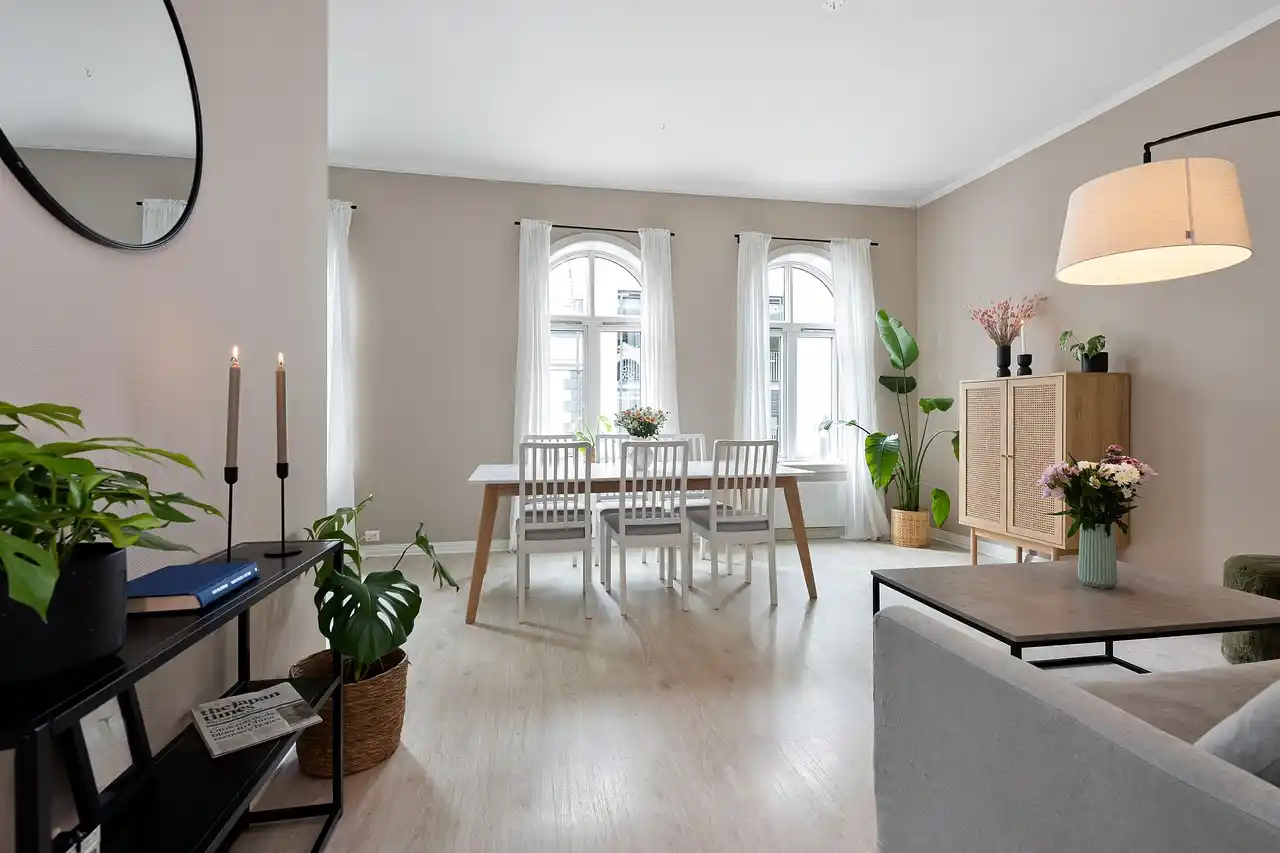
Home window tinting uses thin films applied to interior glass that reduce heat, glare, and harmful UV rays. Modern films are designed to be durable, low glare, and optically clear, while adding privacy and solar control. For homeowners, tinting is a practical upgrade that complements insulation, shading, and HVAC strategies.
What is home window tinting and how it works
Window tint is a poly film bonded to the glass. The film contains dyes or particles that reflect or absorb infrared heat, block UV, and limit visible light transmission. When professionally installed with a clean edge seal, window tint reduces heat transfer through glass, lowers sun glare, and protects furnishings while preserving outside visibility. The result is a more comfortable interior, less strain on cooling systems, and a longer life for fabrics and artwork.
Benefits of home window tinting
Energy efficiency: by rejecting solar heat, tint reduces cooling loads during hot seasons. This can translate to smaller air conditioner runs and more even indoor temperatures in rooms with large south or west facing windows.
UV protection and interior preservation: most modern films block up to 99% of ultraviolet rays, slowing fading of carpets, upholstery, wood finishes, and artwork. This helps maintain interior aesthetics and resale value.
Privacy and glare reduction: tinted glass lowers the chance of passersby seeing inside during daytime hours and reduces glare on screens, enhancing comfort in living rooms, kitchens, and home offices.
Safety and durability: many films hold glass together if a window is broken, providing an extra layer of safety in storms or accidental impacts. Some films also minimize thermal cracking in extreme temperature swings.
Types of window tint for homes
Choosing the right tint involves balancing budget, performance, and aesthetics. Here are common residential options and their typical strengths.
Dyed films
Dyed films are the most affordable option. They absorb heat and reduce glare, offering a darker appearance that many homeowners like. However, they can fade over time and may offer moderate UV protection compared with higher end films.
Metalized films
Metalized films provide strong heat rejection and durability. They reflect a portion of the sun's energy, which helps with comfort in sunny rooms. The tradeoff can be interference with some electronic devices and slightly darker viewing outdoors at certain angles.
Ceramic films
Ceramic films are highly regarded for maximum heat rejection without the metallic look. They are non conductive, maintain clarity, and excel at UV blocking. The main consideration is higher upfront cost, but long term energy savings can offset it.
Carbon films
Carbon films offer a balance of performance and appearance. They reduce heat and UV without the reflective look, preserving exterior views while providing good privacy. They tend to be more expensive than dyed options but are rated for durability.
Hybrid and nano-ceramic films
Hybrid and nano-ceramic films blend ceramic particles with other materials to deliver strong heat rejection, clear optics, and lower reflectivity. These films are popular for energy efficiency and modern aesthetics, though price varies by brand.
| Type | Pros | Cons | UV Rejection | Estimated Cost |
|---|---|---|---|---|
| Dyed | Low cost, glare reduction | Fades over time | Moderate | 2–6 per sq ft |
| Metalized | Strong heat rejection, durable | Possible interference with signals | High | 3–7 per sq ft |
| Ceramic | Best heat rejection, non metallic | Higher upfront cost | Very high | 6–12 per sq ft |
| Carbon | Good heat and UV control, non reflective | Mid range price | High | 4–9 per sq ft |
| Hybrid | Balanced performance, less interference | Sticker shock | High | 5–10 per sq ft |
Choosing the right tint for your home
Climate and window orientation should guide the film choice. South facing rooms accumulate more heat and may benefit from higher heat rejection. North facing and high efficiency windows can still gain from UV protection to prevent fading. Window glass types and existing seals also affect installation quality and film longevity. Local regulations may limit darkness in certain rooms or require reflective versus non reflective options; a licensed installer can verify compliance and advise on warranty coverage.
Professional installation matters for performance and warranty. Trained installers ensure clean edge seals, proper film alignment for large panes, and seamless integration with energy efficiency goals. They can also help coordinate with other shading strategies such as blinds or solar shades to optimize comfort year round.
Installation process and maintenance
Most residential tinting projects involve inspection of glass, cleaning, cutting, and precise application by a technician. After application, the film must cure without washing or heavy handling for a recommended period. Maintenance is simple: use non abrasive, non ammonia cleaners and soft cloths to avoid surface scratches. Regular inspections help catch edge lift or bubbling early, ensuring long lasting performance with warranties often spanning several years depending on brand and installer.
Cost and return on investment
Costs vary by film type, window size, and installation complexity. Basic dyed films are the most affordable, while ceramic and nano-ceramic films carry higher upfront prices but deliver greater energy savings and long term durability. A typical installation can be justified by reduced cooling costs, less glare, and slower furniture fading. A professional installer can provide a precise estimate and a recommended product line that aligns with your home’s architecture and climate.
Summary Home window tinting offers a practical route to enhanced comfort, energy efficiency, and interior protection. By selecting a film that suits your climate, windows, and budget, and by working with a qualified installer, you can achieve a balance of performance and aesthetics that lasts for years while maintaining healthy living spaces.